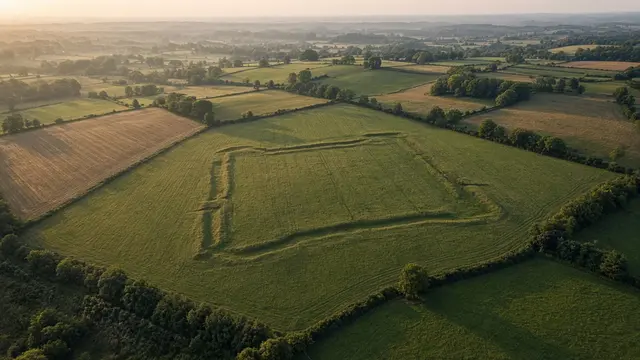
Scotland welcomes detectorists — but it runs on a different legal engine than England. There is no Treasure Act here: under Scots law, every archaeological find of any material belongs to the Crown and must be reported. Understand that one rule, and the rest of the hobby works beautifully.
The rules, short version
- Landowner permission first — same as everywhere in Britain, and in Scotland access rights for walking do not include detecting.
- Treasure Trove: any find of archaeological significance — bronze, iron, pottery, not just gold and silver — is claimable by the Crown and must be reported to the Treasure Trove Unit (National Museums Scotland). Finds the Crown doesn't claim are returned; claimed finds earn an ex gratia reward at market value.
- Scheduled monuments are off-limits — detecting on them is an offence, as in the rest of the UK.
- Beaches: most Scottish beaches are open to casual detecting for modern losses; Crown foreshore rules apply, and local estates may have their own.
Why Scottish ground is special
- Hoard country — some of Britain's greatest hoards (Galloway, Blair Atholl) came from Scottish soil, in ordinary fields.
- Drove roads and fair stances — centuries of cattle droving left a network of routes, overnight stances and market greens across the Highlands and Borders.
- Abandoned townships — the Clearances emptied entire glens; hundreds of ruined fermtouns sit in rough pasture, their yards unsearched.
- Pilgrim and military roads — from Whithorn pilgrims to Wade's roads, documented routes with documented stopping places.
Research in Scotland
Scotland's LiDAR coverage is partial but growing, and the historic mapping is superb — the OS six-inch surveys and estate maps show every fermtoun, mill and ford. Stack old maps over terrain, mark the township yards and drove stances, and ask the estate: a researched request with a map impresses Scottish landowners as much as English ones.
Free research map for Scotland
LiDAR terrain, historical maps and ancient routes on one free map. Mark spots, get directions in the field, and record your GPS track so you never search the same ground twice. No account needed.
Open the free map →FAQ
Do I have to report every find in Scotland?
Every find of potential archaeological significance, yes — regardless of metal. Modern losses (decimal coins, recent jewellery) aren't archaeology. The Treasure Trove Unit's guidance spells out the line, and reporting earns rewards for significant finds.
Is metal detecting legal in Scotland?
Yes, with landowner permission, off scheduled monuments, and with finds reported under Treasure Trove. No licence is needed.
Where are the best places to metal detect in Scotland?
Fermtoun yards and abandoned townships with the estate's permission, drove-road stances and fair greens, and beach sand below busy promenades.