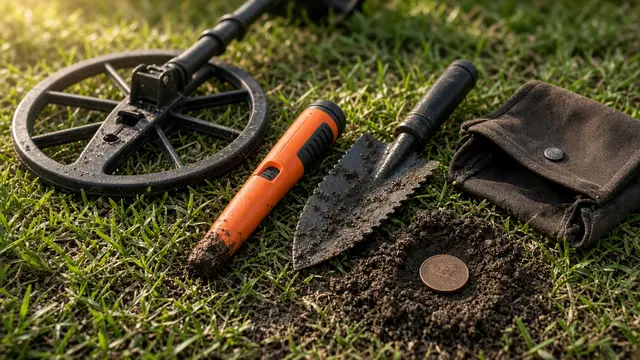
Michigan is one of the friendliest states in the country for detectorists: the DNR explicitly allows metal detecting in many state parks (in designated areas), the Great Lakes serve up fresh beach losses every summer, and the interior hides logging camps and ghost towns by the hundred.
The rules in Michigan, short version
- Private land with written permission — the green zone, and where nearly all good finds come from. The landowner's word is what makes you legal.
- Federal land is off-limits. Removing artifacts over 100 years old is a federal crime under ARPA, and national parks ban detectors outright. Don't test this one.
- State parks: check first. Rules vary from "designated areas only" to permits to full bans — one phone call or web page per park settles it.
- City parks and beaches are usually governed by local ordinance; many allow detecting, some require a cheap permit.
- Anything that looks archaeological — burial grounds, documented historic sites — leave it and report it. That protects the hobby for everyone.
What the ground holds
- Great Lakes beaches — millions of swimmers a year on Lake Michigan and Huron sand; storms and ice heave reshuffle the beach every season.
- Logging-era camps and ghost towns — the white-pine boom (1860s–1900s) left hundreds of vanished camps, company towns and narrow-gauge grades in the state and national forest country.
- Copper country and mining towns — the Keweenaw's boom towns, pay offices and tram lines.
- Resort and fairground sites — a century of lakeside picnic grounds, dance pavilions and trolley parks, many now empty fields.
Research Michigan before you swing
Michigan has excellent USGS 3DEP LiDAR — logging grades, cellar holes and old trail beds show clearly under forest. The vanished-places layer is a cheat code here: thousands of former Michigan post offices, stations and camps are in the data, each a pin away from your next permission.
Free research map for Michigan
USGS LiDAR terrain, registered historic places and vanished places on one free map. Mark spots, get directions in the field, and record your GPS track so you never search the same ground twice. No account needed.
Open the free map →FAQ
Can you metal detect in Michigan state parks?
Yes, in many of them — the DNR maintains a list of parks where detecting is allowed in designated areas, typically beaches and day-use zones. Check the park's page, and hand in anything of obvious historic value.
Can you metal detect on Great Lakes beaches?
On most public city and township beaches yes, subject to local ordinance; on state park beaches, in the designated areas. Below the waterline is generally state bottomland — stay in the dry sand and swim zones unless told otherwise.
Where are the best places to metal detect in Michigan?
Busy swim beaches after Labor Day, logging-camp ground on private timberland with permission, and the yards of pre-1900 farmhouses.